
Ever wonder why some comedians leave you in stitches while others make you want to check your phone? It’s not just about being funny—it’s about knowing how to be funny.
And that, my friends, is where finding a qualified comedy instructor comes into play. A good comedy instructor can make the difference between endless crickets and a roaring crowd. They teach you the ins and outs of timing, delivery, and how to craft jokes that actually land. Because let’s face it, anyone can think they’re funny, but only a few truly are. With the right instructor, you’re not just improving—you’re learning the art of comedy itself.
Getting that solid guidance can elevate your comedic skills, whether you’re prepping for an open mic or just want to keep your friends laughing at dinner. The right instructor helps you find your comedic voice, sharpen your wit, and deliver punchlines with confidence. Trust me, it’s worth it.
Different Types of Comedy Instruction
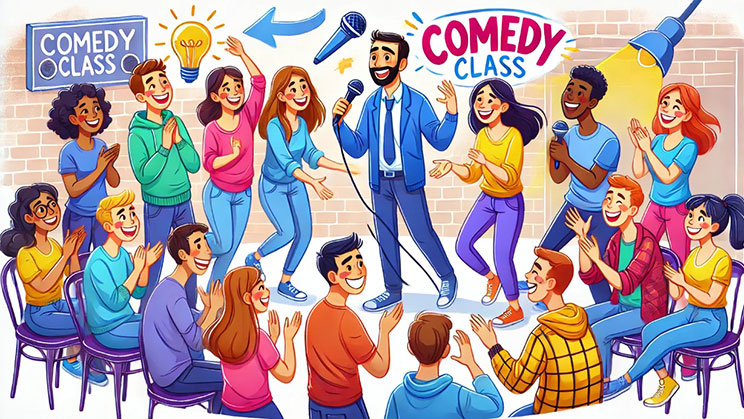
Stand-Up Comedy Coaching
Ever tried making a room full of strangers laugh? It’s like tightrope walking without a safety net. A stand-up comedy coach teaches you:
- How to write jokes that pack a punch.
- Timing—because in comedy, it’s everything.
- Stage presence—you’re not just telling jokes; you’re performing.
With a coach, you learn to own the stage and build material that feels uniquely yours.
Improv Comedy Training
Think you’re quick on your feet? Improv comedy training is all about embracing the unexpected and making magic out of thin air. With improv lessons, you’ll develop:
- Spontaneity—there’s no script, only your wits.
- Collaboration—working with others to create scenes.
- Quick thinking—turning “uh-oh” moments into show-stoppers.
Improv makes you sharper, more adaptable, and more confident when the unexpected happens (because it always does).
Comedy Writing Courses
Want to write the next sitcom or sketch that goes viral? Comedy writing courses teach you to:
- Develop scripts and sketches with punch.
- Master storytelling—because every joke needs a setup.
- Find your comedic tone—whether it’s sharp, dry, or full of puns.
Writing for comedy is like building a puzzle, where every piece leads to that big laugh. And with a good course, you’ll learn how to fit those pieces together seamlessly.
Factors to Consider When Choosing a Comedy Instructor
Experience and Background
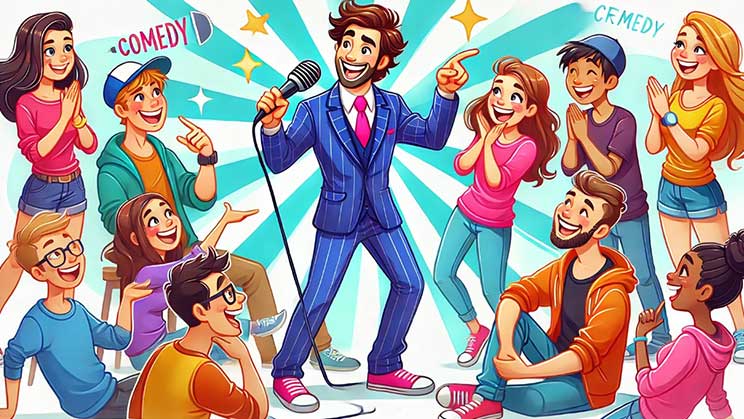
So, what’s the first thing to look for? Experience. You want an instructor with some serious comedy chops—years of performing, teaching, and maybe even a few late-night TV credits. Check out their history: have they trained successful students? Have they performed at notable venues? If their career looks like a highlight reel, you’re on the right track.
Teaching Style
Comedy is personal, so your instructor’s style matters. Are they hands-on or more laid-back? Do they focus on feedback or just lecture? Finding someone whose teaching vibe matches your learning preference is key. You need someone who can guide you without making you feel like you’re bombing in class.
Student Testimonials and Success Stories
Want proof? Look for testimonials. A good comedy instructor has a trail of happy students who’ve turned into better comedians. Reading reviews or even reaching out to former students can give you insights into what you’re signing up for.
Class Size and Structure
Class size can make or break your learning experience. Smaller classes mean more personalized attention, more practice, and less time waiting around. If the structure includes practical exercises and performance opportunities, even better.
Where to Find Comedy Instructors

Local Comedy Clubs and Theaters
Your local comedy club isn’t just for watching others bomb—it’s a hub for meeting instructors. Many comedians offer classes or workshops right where they perform. Plus, you’ll get networking opportunities that can lead to stage time and valuable industry contacts.
Online Platforms and Directories
Can’t find what you need nearby? The internet’s got you covered. Websites dedicated to comedy education or platforms like Meetup often list available instructors. You can also find virtual lessons that offer flexibility and a wider range of teachers.
Comedy Schools and Workshops
Comedy schools and workshops provide structured learning—think of it as comedy boot camp. These programs often come with a full curriculum, performance practice, and a built-in community of fellow comedy learners. It’s the perfect way to immerse yourself and build your skills step by step.
Evaluating the Quality of Comedy Instruction
Trial Classes and Workshops
Not sure if an instructor is the right fit? Sign up for a trial class or workshop. It’s like test-driving a car but with punchlines. You’ll get a feel for their teaching style, pacing, and whether their feedback clicks with you.
Certifications and Affiliations
While not a must-have, certifications or affiliations can show that an instructor is serious about their craft. Maybe they’re associated with a well-known comedy club or school. It’s a nice confidence boost knowing your instructor has some credentials behind their jokes.
Feedback from Former Students
Former students are like Yelp reviews for comedy classes. Their feedback can give you the real scoop—were the lessons worth it? Did they actually get funnier? Don’t just rely on the instructor’s website; look for independent reviews and reach out if you can.
Maximizing Your Learning Experience
Setting Clear Goals
Before you start, think about what you want out of this. Are you aiming for open mics, writing sketches, or just being the funniest person at the office? Knowing your goals helps you and your instructor focus on what matters most.
Active Participation and Practice
Comedy isn’t a spectator sport. To get better, you need to jump in and practice. Whether it’s performing in front of your dog or at a small club, the more you do it, the better you’ll get. In class, participate fully—don’t hold back.
Seeking Constructive Criticism
Feedback is a gift, even if it stings a little. Listen to your instructor’s critiques and apply them. The best comedians didn’t get there by ignoring advice—they learned, adjusted, and kept going. Be open to suggestions, and don’t take it personally.
FAQs
What should I look for in a comedy instructor?
Experience, teaching style, and testimonials from past students are key factors to consider.
Where is the best place to find a comedy instructor?
Check local comedy clubs, online platforms, and dedicated comedy schools for options.
How do trial classes help in choosing the right instructor?
They let you assess the instructor’s teaching approach, pacing, and compatibility with your learning style.
Are certifications necessary for a comedy instructor?
Not mandatory, but they can indicate professionalism and credibility.
How can I make the most out of my comedy instruction?
Set clear goals, actively participate, practice consistently, and embrace constructive feedback.
Conclusion
Finding the right comedy instructor takes some effort, but it’s worth it. Remember to consider their experience, teaching style, and student feedback. Explore local clubs, online platforms, and dedicated comedy schools to find the best fit.
Once you’re in, set clear goals, stay active, and embrace constructive criticism. The right guidance can transform your comedy from amateur to applause-worthy—so go ahead, take that next step into the spotlight.